Bat Embroidery Design: A Craft Fair Seller Review
As an experienced embroidery designer preparing for a busy weekend craft fair, I approach every new machine embroidery design with a critical eye. It is not enough for a file to simply stitch out correctly on screen; it must translate into a profitable craft fair product that catches the attention of shoppers walking past a crowded booth. When evaluating the "Bat" design for my upcoming market lineup, I am looking at versatility, production efficiency, and shelf appeal. While bats are often relegated to seasonal Halloween decor, a well-executed bat motif can serve as a unique staple in the Baby Animals or woodland nursery categories year-round. This review breaks down how this specific digital asset performs when turned into tangible goods for Etsy sellers, boutique makers, and creative entrepreneurs.
First Impressions and Market Positioning
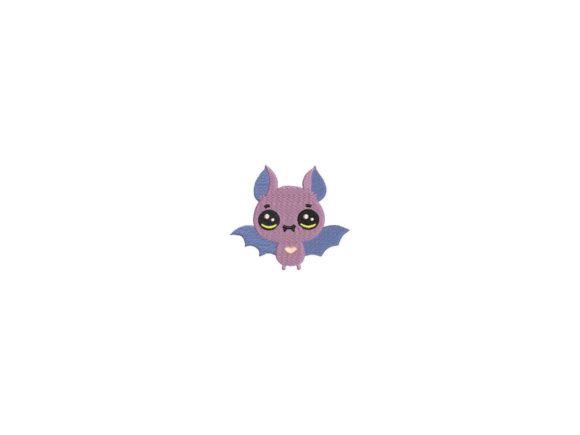
Upon loading the embroidery file, the first impression of Bat determines its commercial viability. Does it read as spooky, cute, scientific, or whimsical? For a general handmade market, I am immediately assessing whether this design leans toward a "farmhouse rustic" aesthetic or a "modern nursery" vibe. If the Bat design features soft lines and rounded edges, it fits perfectly into the Baby Animals category, appealing to parents looking for non-traditional gender-neutral nursery decor. Conversely, if the silhouette is sharp and detailed, it positions itself as a premium nature study piece or a gothic-lite accessory for teen and adult markets.
For Etsy sellers and small shop owners, understanding this mood is vital before stitching a single sample. A design that feels too aggressive might fail on baby items but excel on tote bags for teenagers. My initial judgment suggests treating Bat as a versatile accent rather than a niche novelty. By selecting thread colors that soften the look—such as slate greys, dusty roses, or sage greens rather than stark black—we can elevate the perceived value of the finished product and broaden its customer base beyond October sales.
Product Performance Across Booth Inventory
A successful handmade product line requires matching the right design to the right substrate. Here is how I evaluate Bat across standard craft fair inventory:
- Tote Bag Design: Canvas totes are high-traffic sellers. Bat works exceptionally well here as a center chest or lower corner placement. The texture of natural canvas complements organic bat motifs. Ensure the design is sized large enough to be visible from three feet away.
- Apron Embroidery: For kitchen wear, Bat serves as a charming, unexpected detail. Placing the design on the bib or the lower pocket creates a conversation starter. This application works best if the bat has a slightly vintage or botanical illustration style.
- Tea Towel Embroidery: Flour sack towels are a staple. However, because Bat may have intricate wing details, I recommend testing on smooth-weave towels only. Waffle-weave textures can obscure fine stitching, making the bat look muddy.
- Embroidered Patch: Creating patches allows for batch production without committing to specific garments. Bat translates beautifully to patches, which can be sold individually or applied to denim jackets and caps. This maximizes the utility of a single digital embroidery file.
- Pillow Covers and Nursery Items: If targeting the Baby Animals demographic, minky or velvet fabrics add luxury. Bat stitched in tonal threads on these plush surfaces creates a high-end boutique feel that justifies a higher price point.
Production Practicality and Batch Efficiency
When prepping for a market, time is money. I analyze the stitch density and run time of Bat to determine if it is feasible for batch production. A design that takes forty minutes to stitch is less viable for low-cost items like tea towels than one that completes in twelve minutes. As a professional, I look for clean underlay and efficient jump stitches. Excessive trims slow down production and increase the risk of thread breaks during unattended runs.
Photographing for online listings is equally important. Bat needs to be legible in thumbnail size. If the wings contain tiny stippling or micro-details, they may disappear in an Etsy search result. I always create at least one real mockup and compare it against the digital proof. Natural lighting is essential to show the sheen of the thread, especially if using rayon or polyester on dark fabrics. For commercial embroidery businesses, consistency is key; ensure your hooping method yields identical placement across twenty units so your booth display looks cohesive and professional.
Critical Technical Considerations and Fabric Pairings
Not all fabric texture choices are created equal when stitching animal silhouettes. Based on typical digitizing standards for this subject matter, here are necessary precautions:
- Dense Stitch Areas: Bat wings often require fill stitches. On lightweight fabrics like quilting cotton, this density can cause puckering. Always use a cutaway stabilizer for stretchy knits and a medium-weight tear-away for stable wovens.
- Small Lettering and Details: If the Bat design includes text or facial features, verify clarity at smaller sizes. Scaling down below 70% often results in lost definition. Test the minimum viable size before listing.
- Curved Surfaces: Stitching Bat on caps requires specialized curved stabilizers and potentially a cap frame. Flat designs distort on curved brims; check if the file includes a cap-specific version or adjust pull compensation manually.
- Dark Fabrics: High contrast is necessary. White or metallic thread on black fabric makes Bat pop, but ensure adequate underlay to prevent the dark fabric from grinning through the stitches.
Designer Notes for Commercial Success
Before listing any item featuring Bat as a small shop product, adhere to these professional protocols. First, confirm the licensing terms included with your purchase. The description states this is a digital design requiring transfer from computer to machine, but you must verify if finished products for sale are permitted under the specific license agreement.
Always test the design on scrap fabric identical to your final product. Check thread contrast in both natural and artificial light. Review spacing within the hoop to ensure no part of the design encroaches on the hoop edge during stitching. Inspect the back of the test stitch-out; messy bobbin tension ruins the perceived quality of handmade goods. Finally, utilize printable mockups and design assets to visualize color variations before consuming materials. By treating Bat not just as a picture, but as a component of a larger business strategy, craft fair sellers can transform a simple digital file into a best-selling inventory staple that resonates with buyers seeking quality, uniqueness, and artisanal charm.