Loving Llamas: A Designer’s Embroidery Review
As a professional embroidery designer and small business owner, I am constantly evaluating new design assets to determine if they are truly production-ready. When browsing the Baby Animals category on Creative Fabrica, the Loving Llamas machine embroidery design caught my eye. It is not enough for a digital file to simply look cute on a screen; it must translate into a high-quality finished product that withstands washing, wear, and customer scrutiny. This review evaluates Loving Llamas from the perspective of a commercial embroiderer considering this design for real-world projects like custom apparel, nursery decor, and personalized gifts.
First Impressions and Visual Mood
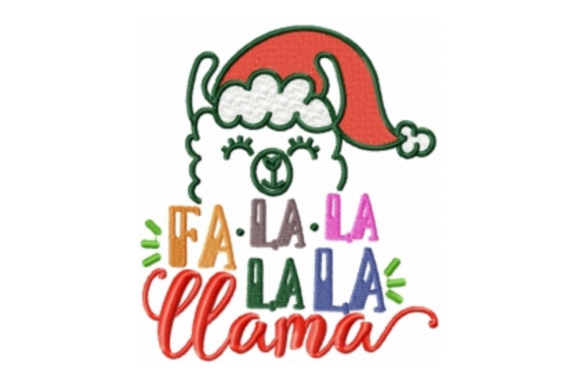
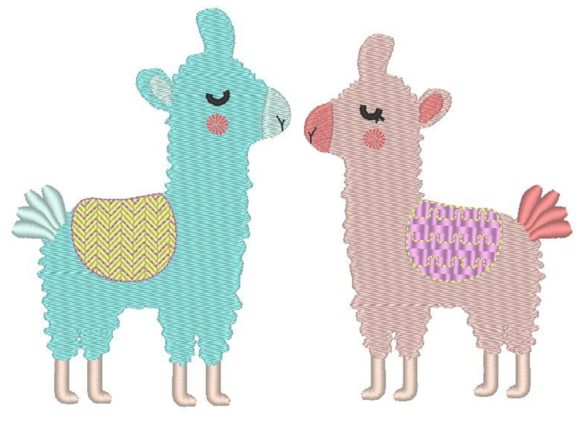
The visual appeal of Loving Llamas lies in its balanced charm. In the baby animals niche, designs often skew too juvenile or overly complex. This design strikes a sophisticated yet playful tone that appeals to both parents buying for infants and adults who enjoy whimsical cottage-core aesthetics. The mood is gentle and affectionate, making it an excellent candidate for items intended as keepsakes or comfort objects.
From a technical standpoint, the digitizing appears clean in the preview. The lines suggest a thoughtful mix of stitch types rather than a flat, monotonous fill. For an embroidery designer, this distinction is critical. A design with varied texture—perhaps combining satin stitch outlines with softer fill stitch areas—creates depth and perceived value. If you are creating printable mockups for Etsy listings, this level of visual interest helps the digital rendering look more realistic, potentially increasing click-through rates before you even hoop a single piece of fabric.
Performance on Custom Apparel and Tote Bags
I evaluated Loving Llamas specifically for use on mid-weight cotton sweatshirts and canvas tote bags, two staples in my commercial embroidery lineup. Sweatshirt embroidery requires a design that can handle fleece backing without sinking or distorting. Based on the design structure, Loving Llamas seems well-suited for this application, provided you verify the stitch density. Designs in this style often benefit from a slightly open fill to prevent the garment from becoming stiff or bulletproof.
For tote bag designs, stability is key. Canvas is forgiving, but if the design includes intricate facial details or small text elements common in llama motifs, you must ensure your hooping is taut. I recommend testing on a scrap of similar weight canvas first. If the design includes an applique design element, it will significantly reduce stitch count and add a lovely tactile dimension perfect for market goods. However, always confirm whether the listing includes applique placement lines or if it is strictly a standard embroidery file before planning your production workflow.
Nursery Decor and Baby Items
The primary market for Loving Llamas is undoubtedly baby products. Whether stitching onto flannel receiving blankets, bibs, or pillow covers, safety and softness are paramount. When using this digital embroidery file for infant items, pay close attention to the back of the embroidery. Dense satin stitches can be scratchy against sensitive skin. Using a soft mesh cutaway stabilizer and potentially a fusible backing after stitching can mitigate this issue.
Furthermore, baby items require frequent laundering. I advise checking the anchor points of the design. Are there long running stitches connecting disparate elements? These can snag during washing. A well-digitized version of Loving Llamas should minimize jump stitches or secure them adequately. Always run a wash test on a sample before selling any handmade product intended for children to ensure the threads hold up to hot water and detergent.
Technical Considerations for Commercial Use
Before adding Loving Llamas to your commercial embroidery catalog, you must address several practical variables. As experienced stitchers know, what works on a 4x4 hoop may fail on a curved cap surface. If you plan to use this for hats, verify the physical dimensions. Many animal designs are vertically oriented, which can be challenging on caps with limited vertical clearance above the brim.
- Hoop Size Verification: Never assume compatibility. Check the exact dimensions listed on the Creative Fabrica product page against your machine’s maximum sewing field.
- Thread Color Contrast: Test on both light and dark fabrics. Some designs rely on shading that disappears on dark backgrounds unless you adjust thread colors or add an underlay.
- Stabilizer Selection: Match the stabilizer to the fabric, not just the design. Stretchy knits need cutaway; woven towels may need tear-away plus a water-soluble topping.
- Small Details: Inspect tiny elements like eyes or eyelashes. If they are smaller than 1mm, they may require needle size adjustments or simplification to prevent thread breaks.
File Management and Licensing Compliance
This listing includes one design for machine embroidery. These designs are digital designs that require an embroidery machine to work with. And a way to transfer the files from your computer to your e[mbroidery machine]. It is vital to remember that file formats vary. Ensure the download includes the specific format your machine reads (PES, DST, JEF, etc.). More importantly, review the licensing terms on Creative Fabrica carefully. While many designers allow for the sale of finished physical products, restrictions often apply to reselling the digital file itself or using it for mass manufacturing. Protecting your business means respecting these intellectual property boundaries.
Enhancing Product Value and Buyer Trust
Using high-quality assets like Loving Llamas directly impacts how customers perceive your brand. In the saturated handmade market, buyers trust sellers who demonstrate consistency and quality. A poorly stitched out design with registration issues or puckering damages reputation instantly. Conversely, a crisp, well-executed llama motif signals professionalism.
Consider how this design integrates into your broader collection. Does it match the aesthetic of your existing nursery line? Can it be paired with a name font for a personalized gift? Bundling Loving Llamas with complementary typography or floral accents can increase the average order value. When photographing your finished work, ensure the lighting captures the sheen of the thread. The texture of the embroidery is a major selling point that flat digital images cannot convey. Showing the design on a real sweatshirt or blanket helps customers visualize the scale and quality, bridging the gap between digital asset and tangible treasure.
Final Thoughts for Makers and Sellers
Loving Llamas represents a strong contender in the Baby Animals embroidery category, offering versatility across apparel, home decor, and accessories. Its success in your shop, however, depends entirely on your technical execution. Treat this embroidery file as a starting point, not a guaranteed result. Conduct thorough testing on scrap fabric, validate your stabilizer choices, and respect the licensing agreements.
For Etsy sellers and craft fair vendors, this design offers the warmth and trendiness necessary to attract buyers in the current market. By applying professional standards to this digital asset, you transform a simple download into a premium custom apparel item or cherished heirloom. Always prioritize the integrity of the stitch-out over speed, and your customers will recognize the care woven into every thread of your Loving Llamas creations.