Otomi Design: A Review for Boutique Apparel
As an embroidery designer constantly scouting for fresh aesthetics to elevate boutique collections, I approach every new digital asset with a critical eye. When browsing Creative Fabrica embroidery listings, it is easy to get lost in the volume of options, but certain designs demand a second look due to their structural integrity and cultural resonance. The Otomi Design immediately caught my attention as a potential cornerstone piece for an upcoming apparel line. Inspired by traditional Mexican textile arts, this machine embroidery design offers a distinct visual language that differs significantly from standard floral or monogram patterns. For shop owners and Etsy sellers looking to diversify their inventory with culturally rich, visually striking motifs, understanding how this specific design translates from screen to fabric is essential before committing to production.
Visual Personality and Stitch Architecture
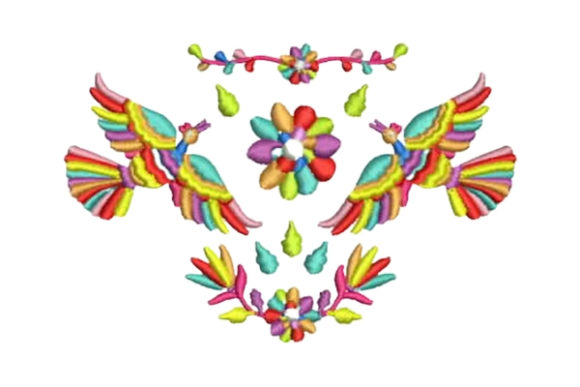
The first impression of the Otomi Design is one of vibrant complexity balanced by technical precision. Unlike simpler run-stitch folk art, this design relies heavily on beautiful satin stitches to create its signature texture. From a professional standpoint, this is a significant advantage for boutique apparel. Satin stitches reflect light differently than fill stitches, giving the finished product a premium, lustrous quality that photographs exceptionally well for lifestyle product photos and social media graphics. The visual mood strikes a balance between rustic tradition and modern bohemian chic. It feels handcrafted yet refined, making it suitable for both high-end custom apparel and accessible handmade products.
For those curating a cohesive brand identity, this design carries enough decorative strength to serve as a collection anchor without overwhelming the garment. It possesses a feminine yet bold character that works particularly well on neutral backgrounds. When reviewing the digital embroidery file, the density appears optimized for visibility without becoming bulletproof, though this must always be verified on your specific substrate. The intricate interplay of thread colors inherent in the Otomi style allows for creative customization; you can easily swap palette tones to match seasonal trends or specific brand hex codes while maintaining the recognizable silhouette of the motif.
Strategic Placement for Sweatshirts and Hoodies
In planning a small sweatshirt or hoodie collection, placement is just as critical as the design itself. The Otomi Design shows immense promise for center chest placements on oversized garments. The width-to-height ratio typical of Otomi patterns naturally complements the broad canvas of a crewneck sweatshirt. On pastel hoodies, the contrast of rich satin threads against soft fabric creates an immediate focal point that drives customer engagement in printable mockups and Etsy listings.
Beyond the front chest, consider sleeve accents or back yoke placements. The linear nature of many Otomi-inspired elements allows them to flow gracefully across curved surfaces like shoulders or cuffs. However, when applying this to fleece or heavy French terry, the loft of the fabric can swallow fine details. As a designer, I recommend scaling the design slightly larger for heavyweight garments to ensure the satin columns remain distinct. For lighter t-shirt embroidery or denim jackets, the standard sizing likely performs beautifully, allowing the intricate Mexican embroidery heritage to shine through without distortion. Tote bags also present an excellent opportunity; the sturdy canvas provides a stable foundation for dense satin work, turning a simple accessory into a statement piece for commercial embroidery sales.
Technical Considerations for Stretchy and Textured Fabrics
While the aesthetic appeal is undeniable, practical application requires caution. The Otomi Design’s reliance on satin stitching means stabilizer choice is non-negotiable. If you are working with stretchy knit fabrics common in hoodie design, using only tear-away stabilizer is a recipe for puckering. A cut-away stabilizer is mandatory to support the lateral pull of the satin stitches and maintain the garment's drape. Always test on scrap fabric that matches the weight and stretch percentage of your final production blank.
Ribbed fabrics present another challenge. The valleys and peaks of ribbing can cause uneven registration if the hoop tension is inconsistent or if the design lacks adequate underlay. Before running a full production batch, inspect the stitch density in your embroidery software. If the design feels too rigid for a cozy seasonal outfit, you may need to adjust parameters or select a lighter version if available in the download package. Dark garments require careful thread color contrast testing; what looks vibrant on a white screen may disappear on navy or charcoal fabric. Furthermore, confirm the hoop size requirements listed in the Creative Fabrica product details. Nothing halts momentum faster than realizing a gorgeous design exceeds your machine’s maximum embroidery area after you have already sourced materials.
Elevating Brand Value and Buyer Trust
Incorporating culturally significant art like Otomi into your lineup does more than add variety; it signals intentionality to your customers. Buyers in the boutique space are increasingly drawn to pieces that tell a story. By utilizing a high-quality machine embroidery design that honors Mexican craftsmanship, you differentiate your small shop product from generic fast fashion. This specificity builds buyer trust and product recognition. When customers see consistent, high-quality execution of complex designs, they associate your brand with professional presentation and care.
However, respect for the source material matters. Ensure your marketing accurately reflects the inspiration behind the Otomi Design. Authenticity resonates with creative entrepreneurs and consumers alike. When listing these items, use descriptive language that highlights the artisanal feel of the satin stitches and the cultural roots of the pattern. This narrative approach enhances perceived value, justifying higher price points for custom apparel. Additionally, verify licensing terms within the digital embroidery file package before selling. Understanding whether you have rights for unlimited commercial embroidery or limited runs protects your business and ensures ethical operations.
Designer Notes for Production Success
To maximize the potential of the Otomi Design in your apparel projects, adhere to these professional best practices:
- Verify File Compatibility: Although the product description notes multiple embroidery file formats, always confirm your specific machine format is included before purchasing to avoid conversion issues.
- Stabilizer Testing: Run a sew-out on the exact fabric blend you intend to sell. Fleece, cotton jersey, and denim all react differently to dense satin stitches.
- Thread Contrast Check: View thread colors under natural and artificial lighting. Satin stitches shift in appearance based on light angle, which affects how the design reads in person versus in photos.
- Hoop Selection: Use the smallest hoop possible that still accommodates the design to maximize fabric stability and reduce shifting during embroidery.
- Licensing Compliance: Review the Creative Fabrica license agreement specifically regarding finished product sales to ensure your business model aligns with usage rights.
- Mockup Accuracy: When creating printable mockups for Etsy listings, ensure the digital representation matches the actual stitch texture. Misleading smooth vector graphics can lead to returns when customers expect dimensional embroidery.
The Otomi Design represents a compelling opportunity for apparel decorators seeking to blend cultural richness with contemporary fashion. Its stunning satin stitch construction offers a tactile luxury that elevates simple blanks into desirable boutique merchandise. By approaching this design with technical diligence and respectful creativity, you can produce a collection that stands out in a crowded marketplace. Whether applied to a cozy hoodie, a structured denim jacket, or a versatile tote bag, this Mexican embroidery motif brings warmth, history, and undeniable visual impact to your handmade business. Remember that successful commercial embroidery lies not just in the beauty of the digital file, but in the thoughtful execution of every stitch on the final garment.