My First Thanksgiving Applique: A Designer’s Review
When evaluating a machine embroidery design for baby milestones, the balance between visual charm and structural integrity is everything. As a designer who regularly tests files before committing them to client projects or shop inventory, I approached My First Thanksgiving Applique with a critical eye. This isn't just about how cute the digital preview looks; it is about how the design behaves under the needle, how it wears after washing, and whether it delivers the professional finish that customers expect from a high-quality handmade product. After reviewing the layout, theme, and intended application, here is my practical assessment for fellow makers, Etsy sellers, and apparel decorators.
First Impressions and Visual Hierarchy
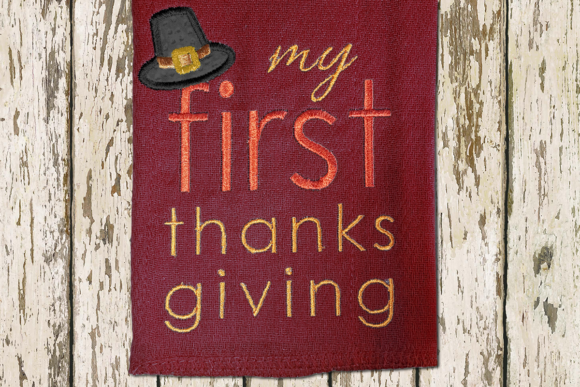
The immediate strength of this applique design lies in its focal point. The integration of the pilgrim hat resting specifically on the letter "f" creates a cohesive narrative rather than two disjointed elements. In many holiday designs, graphics are simply placed above or below text, but this interaction suggests a custom, thoughtful layout. For a personalized gift or boutique item, this level of intentionality matters. It signals to the buyer that the item was curated, not just generated.
The phrase “my first thanksgiving” carries significant emotional weight. From a design perspective, the typography needs to be legible yet soft enough for infant wear. Based on the description, the layout appears balanced for center-chest placement on onesies or bibs. However, as a reviewer, I always look at negative space. Does the hat overwhelm the text? Is the "f" sturdy enough to support the applique layer without puckering? These are the questions that determine if a digital embroidery file is production-ready.
Real-World Application: The Custom Sweatshirt Test
To truly judge this design, I mentally walked through a recent real-life scenario: creating a custom embroidered sweatshirt for a client’s six-month-old. Baby garments present unique challenges because the fabric is often stretchy fleece or cotton interlock, and the wearable surface area is small.
In this context, My First Thanksgiving Applique serves as an excellent candidate for a left-chest or centered yoke placement. When stitching on sweatshirt fleece, the pile can sometimes swallow fine details. Because this design utilizes applique, the fabric overlay provides a necessary barrier against the textured base material. This ensures the message remains crisp. For sweatshirt embroidery, I would recommend using a smooth cotton broadcloth or felt for the applique pieces themselves. This contrast in fabric texture enhances readability and adds a tactile element that elevates the perceived value of the finished product.
For Etsy sellers listing this as a seasonal offering, photographing the design on a neutral-toned garment is essential. The pilgrim hat motif is traditional, so pairing it with modern sage greens, warm terracottas, or classic creams prevents it from looking dated. This versatility makes it a strong asset for commercial embroidery businesses looking to maximize their holiday catalog without alienating modern aesthetic preferences.
Technical Considerations and Fabric Limitations
While the design is charming, practical execution requires attention to technical constraints. As with any embroidery project, success depends on matching the design to the right substrate.
- Hoop Size Verification: With four hoop sizes included, you have flexibility. However, always verify the exact dimensions against your machine’s capabilities before hooping. If you are working on a tiny preemie onesie, ensure the smallest size maintains legibility. Reducing an applique design too much can cause the satin stitch borders to overlap, creating a stiff, uncomfortable patch on delicate skin.
- Stabilizer Strategy: For baby embroidery, stability is non-negotiable. Even though this is an applique design which adds structure, you must use appropriate stabilizer. A cut-away stabilizer is generally preferred for knits to prevent distortion during washing. If using a woven fabric like a linen tea towel or tote bag, a tear-away may suffice, but test first to ensure the registration lines hold tight.
- Fabric Weight Awareness: Be cautious when applying this to very thin fabrics like gauze or lightweight muslin. The density of the satin stitch border combined with the applique fabric layers might be too heavy, causing drag or tearing. Conversely, on thick terry cloth towels, ensure your tack-down stitches are long enough to penetrate the pile securely.
- Stretchy Materials: If applying this to ribbed knit or spandex blends, the design may distort when worn. Always stabilize heavily and consider whether the design’s shape complements the stretch direction of the garment.
Elevating Product Value and Customer Trust
For small shop products and creative entrepreneurs, the quality of your stitching directly correlates to customer trust. A poorly executed applique with fraying edges or misaligned borders screams "amateur." My First Thanksgiving Applique offers an opportunity to demonstrate precision.
When presenting this in printable mockups or product listings, highlight the clean edges and the harmonious color palette. Buyers of holiday embroidery are often purchasing for sentimental reasons; they want perfection. By ensuring your thread tension is correct and your applique material is pre-washed to prevent shrinkage later, you protect your brand reputation. Furthermore, because this design includes nine formats, it is accessible to a wide range of machine users, making it a reliable staple for design assets in a commercial library.
Consider the longevity of the item. Baby clothes are washed frequently. Ensure your satin stitch density is sufficient to encapsulate the raw edge of the applique fabric completely. If the stitch count feels light during a test run, adding an extra pass or adjusting the width in your software (if permitted) can save the garment from unraveling after three wash cycles. This durability is what turns a one-time buyer into a repeat customer for future milestones.
Designer Notes for Successful Execution
Before loading this embroidery file for a final production run, adhere to these professional best practices:
- Always Test Stitch: Never assume a digital file will translate perfectly to every fabric. Run a test on scrap material similar to your final project. Check the registration of the placement line, the tack-down stitch, and the final satin border.
- Thread Color Contrast: Evaluate your thread choices against both the applique fabric and the base garment. Low contrast between the border stitch and the applique fabric can hide imperfections, while high contrast highlights them. Choose intentionally based on the desired effect.
- Mockup Validation: Create black and white mockups to check value contrast. Sometimes colors that look distinct on screen appear muddy in thread form. Ensuring the hat reads clearly against the letter "f" in grayscale guarantees it will pop in color.
- Licensing Check: Since this is categorized as a Promo item, strictly review the licensing terms included in the zip file. Confirm whether you can sell finished physical items, use it for digital previews, or if there are limitations on mass production. Respecting intellectual property is fundamental to ethical craft business operations.
- Needle Selection: Use a sharp needle for woven applique fabrics to pierce cleanly, but switch to a ballpoint if stitching directly onto knit baby garments to avoid cutting fibers. The right needle prevents runs and holes.
Final Verdict for Makers
My First Thanksgiving Applique stands out as a versatile, sentiment-driven design suitable for a variety of custom apparel and nursery decor projects. Its specific interaction between text and graphic elements offers a polished look that transcends generic clip art. For the experienced embroiderer, it provides a canvas to showcase technical skill through precise applique work. For the business owner, it fills a crucial seasonal niche with broad appeal.
Success with this design relies less on the file itself and more on the maker's preparation. By respecting fabric limitations, verifying hoop sizes, and testing thoroughly, you transform a simple digital download into a cherished heirloom. Whether you are stitching a keepsake for your own family or fulfilling orders for your Etsy seller shop, this design has the potential to deliver beautiful, professional results when handled with care.