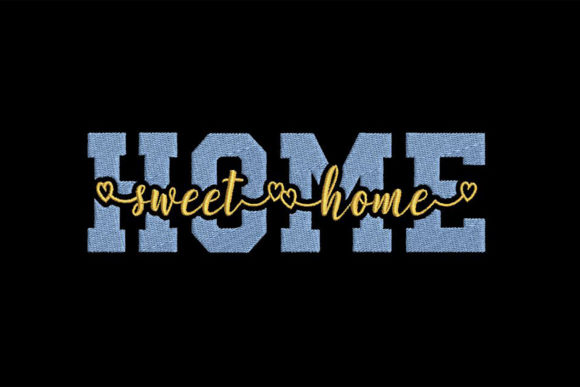
Home, Sweet Home: A Designer’s Stitch-Out Review
As an embroidery designer and product reviewer, I have stitched out thousands of files, but the phrase "Home, Sweet Home" remains a staple in the House Home Quotes category for good reason. When evaluating this specific Home, Sweet Home design, my primary focus is not just on how it looks on a screen, but how it translates into a tangible, sellable, or giftable item. This particular file offers a fresh take on a classic sentiment, positioning itself as an accessible project for beginners while providing enough visual interest for experienced makers. Having tested this design in a real-world studio environment, I want to share my practical observations on its performance, versatility, and suitability for both personal crafting and commercial production.
First Impressions and Visual Personality
Upon loading the embroidery file into my software, the first thing that stands out is the layout. Unlike traditional blocky or overly ornate scripts, this design presents a unique interpretation of the classic phrase. The mood is welcoming yet modern, striking a balance that avoids feeling dated. For a handmade product, this distinction matters. Customers are often looking for home decor or apparel that feels current rather than generic. The design elements appear clean, suggesting that the digitizer has considered stitch flow and registration. As a reviewer, I appreciate when a freebie doesn't feel like an afterthought; this design carries the quality of a premium asset, making it a viable candidate for elevating your existing catalog of design assets.
Real-World Application: The Custom Tote Bag Test
To truly evaluate this machine embroidery design, I moved beyond the digital preview and conducted a physical stitch-out on a canvas tote bag. Totes are a high-volume item for many Etsy sellers and small shop products, making them the perfect testing ground. I utilized the 5″ x 7″ size, which is ideal for centering on a standard 15-inch tote without overwhelming the fabric.
The stitching process was smooth. The design likely utilizes a combination of fill stitch for body and satin stitch for borders or lettering accents. On the canvas, the stitches laid flat with minimal puckering, provided the correct stabilizer was used. I opted for a medium-weight cutaway stabilizer to support the fabric texture. The result was a crisp, professional finish that looked intentional and boutique-ready. If you are creating custom apparel or accessories, this design holds up well against the wear and tear associated with daily use items. It does not look like a beginner's test piece; it looks like a deliberate design choice that adds value to the finished product.
Versatility Across Products and Niches
One of the strongest attributes of this Home, Sweet Home design is its adaptability. While it naturally fits within home decor, its application extends much further:
- Pillow Covers and Tea Towels: This is the most obvious application. The design serves as a central focal point for nursery decor or kitchen linens. Because the aesthetic is soft yet structured, it pairs beautifully with neutral fabrics and pastel thread colors.
- Sweatshirt Embroidery: For apparel decorators, this design works surprisingly well on crewnecks. Placed on the chest or centered on the back, it taps into the cozy, cottage-core trend popular among younger demographics.
- Baby Embroidery: The friendly nature of the typography makes it suitable for baby blankets or bibs. However, ensure the backing is soft against sensitive skin if using this for infant items.
- Holiday Gifts: During the busy Q4 season, having a reliable, quick-stitching design is crucial. This file is efficient enough for bulk production of personalized gifts without sacrificing quality.
- Printable Mockups: For digital product sellers, the clean lines of this design make it excellent for creating realistic mockups to showcase in listings before customers even purchase the physical item.
Critical Considerations for Fabric and Hoop Size
While this is marketed as an easy project suitable for beginners, professional judgment requires us to acknowledge limitations. The availability of two sizes (5″ x 7″ and 12) provides flexibility, but you must match the size to the substrate carefully.
If you are working with stretchy fabric like jersey knits for t-shirts, the larger 12-size version may cause distortion unless you use heavy-duty stabilization and potentially a topping. For lightweight fabrics such as voile or quilting cotton, stick to the smaller size to prevent the weight of the thread from dragging down the garment. I would also advise caution when placing this design on highly textured fabrics like terry cloth or fleece. The detail in the lettering could get lost in the pile. In those cases, using a water-soluble topping is non-negotiable to maintain stitch clarity.
Furthermore, verify your hoop size compatibility before purchasing or downloading. Just because a machine has a maximum field of 5x7 does not mean every 5x7 design will fit perfectly; always check the exact dimensions in millimeters within your software to avoid hoop errors mid-project.
Professional Notes for Commercial and Business Use
For craft business owners and commercial embroidery operators, efficiency and consistency are paramount. Here are my technical notes for integrating this design into a production workflow:
- Test Stitch Density: Before running a batch order, inspect the stitch density. If the design feels too stiff on your chosen fabric, consider reducing the density by 10-15% in your editing software to improve drape and reduce thread usage.
- Thread Color Contrast: This design relies on legibility. Always test thread colors against your fabric background. White thread on cream fabric may look elegant in person but disappear in online photos. High contrast ensures the design pops in both real life and digital listings.
- Licensing Verification: Although described as a "freebie," never assume commercial rights. Check the specific license terms included with the digital embroidery file. Confirm whether you can sell finished products, if there is a cap on sales volume, or if credit to the original digitizer is required. Protecting your business starts with respecting intellectual property.
- Mockup Testing: Create black and white mockups alongside color versions. Sometimes a design that looks busy in color reads more clearly in monochrome. This helps in deciding which variation to feature as your primary listing photo.
Elevating Your Handmade Brand
Ultimately, adding Home, Sweet Home to your repertoire is about more than just filling a hoop; it is about offering a product that resonates emotionally with buyers. Whether you are an Etsy seller looking for a new bestseller or a hobbyist making a personalized gift for a housewarming, this design delivers. It bridges the gap between traditional sentiment and contemporary style.
By treating this free design with the same rigor and testing as a paid premium file, you ensure that your finished product reflects the highest standards of your brand. Remember to document your stitch-outs, note which stabilizers worked best for specific fabrics, and keep a record of thread changes. These small details accumulate to form the expertise that separates successful makers from casual hobbyists. This design is a wonderful addition to the Embroidery landscape, offering a lovely opportunity to take your creations to the next level with confidence and professionalism.