Cute Rainbow: A Designer Review for Business Merch
As a professional embroidery designer specializing in commercial branding and merchandise production, I approach every new machine embroidery design with a critical eye toward production viability. When evaluating the "Cute Rainbow" listing for potential business use, my primary focus is not just on aesthetic appeal, but on how this digital asset translates into a profitable, durable finished product. This review examines the design through the lens of small business owners, apparel decorators, and Etsy sellers who need reliable assets for custom apparel and branded goods.
Visual Personality and Brand Alignment
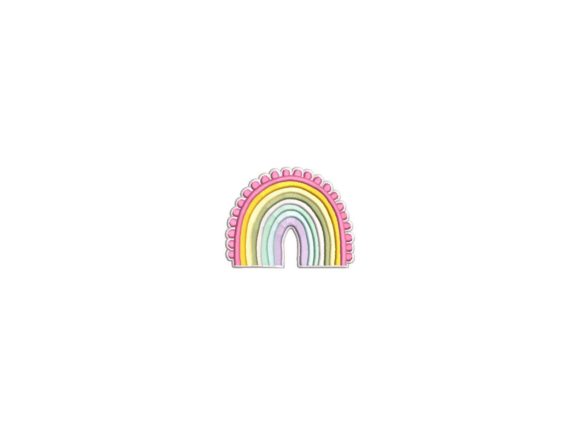
The first impression of Cute Rainbow suggests a design that balances playfulness with structural integrity. For businesses targeting the Boys Girls category or family-oriented markets, this visual tone is essential. However, from a digitizing perspective, "cute" must also mean "clean." A successful brand identity relies on clarity at various sizes. This design appears to offer the friendly, approachable vibe necessary for bakeries, pet brands, florists, and creative studios without sacrificing the bold outlines required for professional recognition.
For a handmade shop or boutique, this design serves as more than decoration; it acts as a visual anchor. The rainbow motif is universally recognized, making it an excellent choice for businesses wanting to convey inclusivity, joy, or creativity. Whether used as a primary logo accent or a secondary decorative element, the design’s personality supports a warm customer experience while maintaining enough definition to look intentional rather than amateurish on small business merch.
Commercial Applications and Merchandise Versatility
In real-world commercial embroidery scenarios, versatility dictates ROI. Cute Rainbow shows strong potential across multiple substrate types commonly used in small business operations:
- Embroidered Patch Production: The design’s likely compact footprint makes it ideal for creating standalone patches. These can be sold as add-ons, used as packaging seals, or applied to denim jackets and caps where direct embroidery is difficult.
- Apron Embroidery: For cafés and florists, placing this design on apron pockets or chest areas adds a custom touch that elevates staff uniforms above generic alternatives.
- Tote Bag Design: Canvas totes are high-margin items for boutiques. This design provides a vibrant focal point that appeals to customers looking for functional, cheerful accessories.
- Cap Embroidery: If the aspect ratio allows, this motif works well on unstructured caps for event merch or team wear, provided the curvature is managed correctly during hooping.
- Product Packaging Accents: Beyond apparel, consider stitching this onto fabric tags or drawstring bags to enhance the unboxing experience for handmade product sales.
Each application requires viewing the embroidery file not as art, but as a manufacturing specification. The ability to use one design across these diverse items maximizes the value of your purchase.
Production Considerations and Technical Constraints
While Cute Rainbow is visually appealing, experienced embroiderers know that screen pixels do not always equal perfect stitches. Several technical factors must be evaluated before running bulk production:
Stitch Density and Fabric Texture
Rainbow designs often involve color blocks and satin stitches. You must verify the stitch density relative to your target material. High-density fills may cause puckering on lightweight knits or performance fabrics, while low-density fills might fail to cover textured materials like canvas or terry cloth. Always test the design on the exact fabric texture you intend to sell. If the design feels too stiff after stitching, it may require editing or a different stabilizer strategy to maintain garment drape and comfort.
Sizing and Detail Retention
Small patch sizes present unique challenges. As you scale down Cute Rainbow, fine details can merge, and lettering (if present) may become illegible. Before committing to a 2-inch patch run, conduct a size reduction test. Ensure that distinct color sections remain separated and that outline stitches align perfectly with fill areas. For cap embroidery, remember that curved surfaces distort designs; you may need to adjust compensation settings or choose a flatter placement area to prevent registration errors.
Thread Colors and Contrast
A rainbow relies entirely on color contrast. When selecting thread colors, avoid shades that are too similar in value, especially if the merchandise will be photographed for online listings. Poor contrast reduces visibility in thumbnails and diminishes perceived quality. Additionally, consider wash fastness. Vibrant reds and purples can sometimes bleed or fade; using high-quality polyester threads ensures the finished product withstands frequent laundering, which is non-negotiable for staff uniforms and children’s wear.
Strategic Value for Small Business Growth
Integrating Cute Rainbow into your product line impacts more than just aesthetics; it influences buyer engagement and perceived value. Consistent use of recognizable design assets builds trust. When customers see cohesive branding across your tote bags, caps, and labels, they perceive your business as established and professional. This visual consistency transforms a simple digital embroidery file into a strategic asset that reinforces your market position.
Furthermore, offering embroidered merchandise featuring this design can open new revenue streams. Custom-branded items serve as walking advertisements when worn by loyal customers. For Etsy sellers, including a professionally embroidered item with this motif can differentiate your shop from competitors relying solely on print-on-demand products. The tactile nature of embroidery signals care and quality, justifying premium pricing for your handmade product offerings.
Essential Pre-Production Checklist for Designers
Before listing any item featuring Cute Rainbow for sale, adhere to this professional workflow to minimize waste and ensure client satisfaction:
- Verify File Specifications: This listing includes one design for machine embroidery. Confirm the included formats match your machine and check the native hoop size requirements before purchasing.
- Test in Black and White: Run a grayscale test stitch-out first. This reveals density issues and registration problems without wasting multiple thread colors.
- Validate Stabilizer Choice: Match your stabilizer to both the design complexity and the garment weight. Cutaway for knits, tear-away for wovens, and water-soluble toppings for textured fabrics are standard starting points.
- Create Printable Mockups: Use software to generate a printable mockup for client approval or listing photos. This manages expectations regarding size and color placement before physical production begins.
- Check Commercial Licensing: Crucially, review the license terms included with the digital embroidery file. Confirm you have the right to sell finished products commercially and understand any limitations on mass production or digital redistribution.
- Compare Beside Other Assets: Place the stitched sample next to your existing branding elements. Ensure the style, scale, and color palette of Cute Rainbow harmonize with your current inventory to maintain visual coherence.
By treating Cute Rainbow as a production component rather than merely a decorative graphic, small business owners can leverage this design to create merchandise that is both beautiful and commercially viable. Success in apron embroidery, patch making, and branded apparel comes from respecting the technical realities of the medium while maximizing the creative potential of the asset. Always prioritize testing and verification to ensure that your investment in this machine embroidery design yields professional, sellable results that strengthen your brand and delight your customers.