Card Holder in the Hoop: A Craft Fair Review
As an experienced embroidery designer preparing for a busy weekend craft fair, I approach every new digital asset with a critical eye. My booth space is limited, and my production time is precious. When evaluating the Card Holder in the Hoop design, I am not just looking at stitch files; I am assessing its potential as a high-turnover craft fair product. This machine embroidery design promises versatility, but does it translate to sales on a crowded table filled with tote bags, aprons, and tea towels? Here is my professional assessment of how this design performs in a real-world commercial embroidery setting.
First Impressions and Market Positioning
Upon loading the Card Holder in the Hoop into my software, the immediate impression is one of functional minimalism. Unlike ornate floral patterns or dense scenic designs, this project leans toward modern utility. For an Etsy seller or boutique maker, this is a significant advantage. The aesthetic feels clean and purposeful, which aligns perfectly with current trends in handmade organization and small leather goods alternatives. It does not scream "homemade" in a rustic sense; rather, it suggests a premium, intentional handmade product.
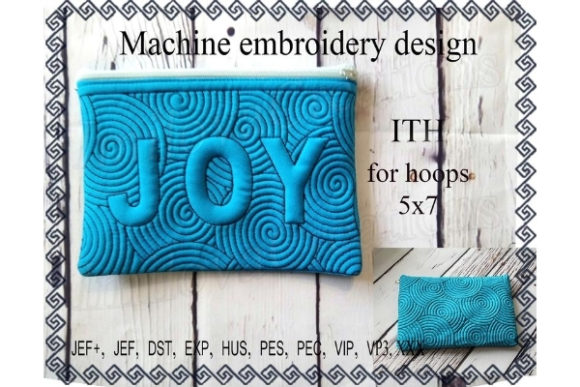
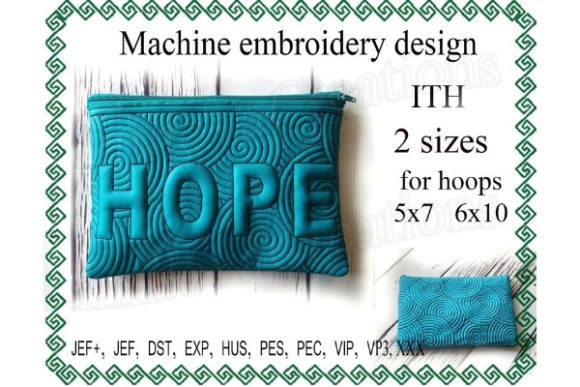
In the context of Sewing Crafts, this design bridges the gap between traditional embellishment and structural construction. Because it is an "in-the-hoop" (ITH) project, the value proposition is higher than a standard surface embroidery. Customers at markets are increasingly savvy; they understand that ITH items involve complex digitizing and precise assembly. This perception of technical skill allows for a higher price point compared to simple monogrammed patches or basic tea towel embroidery.
Performance Across Booth Inventory
When planning my table display, I need items that create visual hierarchy. The Card Holder in the Hoop serves as an excellent mid-tier price anchor. While large tote bag designs draw attention from a distance, and small embroidered patches serve as impulse buys, card holders occupy the sweet spot of practical gifting.
- Tote Bag Design Integration: Rather than selling the card holder alone, consider stitching it directly onto canvas tote bags as an integrated pocket. This transforms a standard tote bag design into a multi-functional organizer, significantly increasing perceived value.
- Apron Embroidery Accent: For vendor aprons or kitchen textiles, this design works beautifully as a chest-level accent. It breaks up large negative space without adding excessive weight or stiffness to the garment.
- Standalone Giftable Item: As a standalone finished product, it pairs exceptionally well with other small shop products like key fobs or zipper pouches. Creating a "market day bundle" featuring the card holder can drive higher average transaction values.
For digital sellers offering the embroidery file itself, the marketability lies in its repeatability. Other makers are constantly seeking reliable ITH projects that stitch out cleanly on various machines. If your test runs are flawless, this design asset becomes a staple in your digital catalog.
Production Practicality and Batch Efficiency
Time is money during craft fair prep. A design might look beautiful on screen, but if it requires constant babysitting or excessive trimming, it fails as a commercial embroidery option. The Card Holder in the Hoop generally scores well on production efficiency because the entire construction happens within the hoop. This reduces handling time and minimizes alignment errors common in multi-step sewing projects.
However, batch production requires careful planning. I recommend testing the stitch density on your specific fabric choices before committing to a full run. Card holders often require interfacing or vinyl, which behaves differently than quilting cotton. Ensure your needle size and thread tension are calibrated for these thicker substrates. A design that puckers on vinyl will not sell, regardless of how cute the pattern is. Furthermore, verify that the hoop size required fits your production workflow. If the design maxes out your largest hoop, you may be limited in how many units you can produce per hour compared to smaller, multi-hoop layouts.
Critical Use Notes for Professional Results
Even high-quality machine embroidery designs have limitations. Based on my experience with similar ITH structures, here are specific cautions for the Card Holder in the Hoop:
- Fabric Texture Matters: Avoid highly textured fabrics like terry cloth or loose-weave linen unless the design includes a specific topping layer. Smooth cottons, cork, marine vinyl, or faux leather provide the crisp edges necessary for a professional finish.
- Thread Contrast and Visibility: If the design includes placement lines or small text detailing the card slots, ensure high contrast between the thread and the base material. Dark fabric with dark thread will cause construction details to vanish, leading to assembly frustration.
- Stabilizer Selection: Do not skimp on stabilizer. ITH projects endure significant stress during construction. Use a sturdy cut-away or tear-away stabilizer appropriate for the final product's weight. Insufficient stabilization leads to warped card slots that won't hold credit cards securely.
- Small Lettering Clarity: If the design features branding or labels, check the minimum readable size. Tiny lettering can get lost in thick materials. Always run a test stitch-out to confirm legibility before mass production.
Visual Appeal and Customer Engagement
At a craft fair, customers touch before they buy. The tactile quality of the Card Holder in the Hoop is paramount. The design should feel substantial, not flimsy. Visual appeal extends beyond the screen; it includes how the item sits on the table. Display these card holders standing upright in a tiered rack or tucked partially into a sample wallet to show scale and function.
For online listings, this design photographs exceptionally well due to its defined geometry. Create a printable mockup or lifestyle photo showing actual credit cards inserted into the slots. This instantly communicates capacity and fit, answering the buyer’s primary question before they even ask. High-quality photos of the finished product, alongside flat lays of the design assets, build trust with both end consumers and fellow makers purchasing the digital embroidery file.
Designer’s Pre-Production Checklist
Before listing the Card Holder in the Hoop as a featured item in your Etsy shop or bringing it to your next market, complete this essential checklist:
- Verify Commercial Licensing: Confirm that your purchase includes rights to sell finished products. Never assume; always check the license terms included with the embroidery file.
- Test on Scrap Fabric: Run a full sample using the exact materials intended for sale. Check corner alignment and slot tightness.
- Review Spacing and Margins: Ensure there is adequate clearance from the hoop edge to prevent needle strikes or frame burns on delicate fabrics.
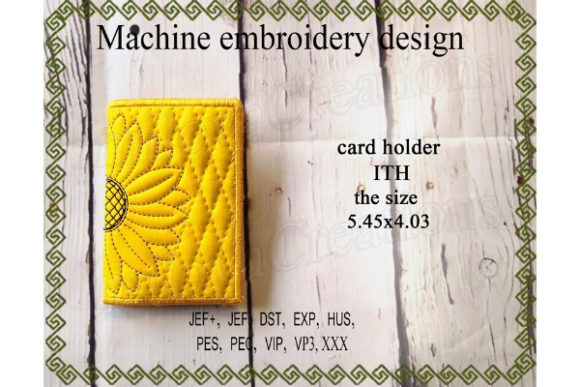
- Confirm File Compatibility: Since the description notes multiple formats, verify that your specific machine reads the chosen file correctly without resizing or distortion.
- Create Real Mockups: Photograph the actual stitched sample. Stock photos rarely capture the true texture and quality of embroidery.
The Card Holder in the Hoop represents a smart intersection of creativity and commerce. It is more than just a pretty pattern; it is a viable business tool for the serious embroidery entrepreneur. By respecting the technical requirements of ITH construction and positioning the finished product strategically within your broader inventory, this design can become a reliable bestseller. Whether used to elevate a tote bag design, enhance apron embroidery, or stand alone as a premium gift, it offers tangible value to both the maker and the customer. Approach it with professional diligence, and it will reward you with consistent sales and satisfied buyers.